Expert Advice on Skin Care and Skin Conditions

Everyone wants to have perfect skin, or at least the healthiest and best-looking skin possible for their age, gender and lifestyle. There are innumerable factors that impact on our skin, including genetics, the food we eat, our cleansing and moisturising routines, the cosmetics we use, and even the weather.

That’s why we created Skin Help, a site written by a team of health and beauty experts with experience of skin complaints, skin treatments, skin care and maintenance. As a comprehensive guide, this site will provide you with valuable information on skin-related subjects, including the most up-to-date advice necessary to keep your skin looking better, for longer.

1. Taking Care of the Little Ones

Most of us expect babies to have perfectly smooth, soft skin, so it can be a bit of a shock when a newborn has a birthmark or peeling skin, or develops baby eczema. Surprisingly, however, baby skin complaints are incredibly common. Many babies suffer from baby acne, for example, and cradle cap (seborrheic dermatitis) affects more than half of all children. If your child has a skin condition that looks either frightening or out of the ordinary, don’t panic. Take him or her to see your GP, and you’ll probably discover that it’s harmless and will disappear on its own in no time.

2. Treating Childhood Skin Problems

Having some skin diseases seems to be a rite of passage – chickenpox, for example, is something virtually all children come down with at some time or another, along with the dreaded ringworm and head lice. Occasionally, however, a child may have a skin complaint that’s a bit unusual, such as roseola infantum, which starts with a scarily high fever followed by a nasty-looking rash. Again, if in doubt see your GP – any infection that has an unidentifiable rash or high fever in particular should be looked at by a medical professional at once, to rule out anything more serious.

3. Dealing with Acne

Once your child is in secondary school, no doubt he or she may have had all the usual childhood illnesses. But that doesn’t mean their skin problems are over. Acne vulgaris is the most common skin problem faced by the majority of teenagers. It can appear on the face, neck and back, and can range from a few unsightly spots to literally hundreds of weeping pustules. Usually acne will clear up when your teen’s hormones settle down, but some unlucky people get acne in adulthood, too. Again, your GP can help prescribe medication, if necessary, and give advice on skin care and diet routines to help clear up acne.

4. The Importance of Different Skin Types

Taking care of your skin properly is key to it looking good, but doing that requires knowing what type of skin you have. Most people’s skin falls into one of three categories: oily, dry and combination. Once you determine what type of skin type you have, you can purchase skin care products designed especially for you. Keep in mind, however, that some people have sensitive skin, and may require a special cleansing routine – and products – that won’t irritate or harm their skin’s sensitive balance. Men should take care of their skin as well, and the wide variety of male skin care products available these days proves that more and more men are taking their grooming habits seriously.

5. Knowing How to Cleanse Your Skin

Many people believe that a quick wash with soap and warm water is the best way to deal with greasy skin. Did you know that soap actually dries out skin, making it then produce even more oil to compensate? After you determine the type of skin you have, it’s then vital to buy special skin care products that won’t irritate or exacerbate existing problems. While you don’t want to wash your skin too often, it’s especially important to cleanse, tone and moisturise before you go to bed at night. This will keep your pores clean and avoid any unpleasant skin infections caused by a build-up of dirt and oil.

6. Common Skin Problems

Even those of us who follow a fantastic skin care regimen might still have skin problems that we are unable to deal with easily, and that may require a bit of professional intervention. Some of the most common complaints faced by adults are boils and blemishes, as well as fungal skin infections that can infect the feet, the groin area and scalp in particular. Moles and seborrheic keratoses are also common. Children may come down with impetigo, a skin infection caused by a bacteria that results in tiny blisters, which appear as red bumps on the skin. If treated early, a topical cream is all you’ll need, although if left untreated and allowed to spread, a course of oral antibiotics might be necessary.

7. Chronic Skin Conditions

While some of us are lucky and never get any skin problem, others seem to suffer from a litany of skin problems. Some of these conditions can be easily treated, while others are chronic. They range from mild to severe eczema and rosacea to psoriasis and sexually transmitted skin infections such as herpes. Once you know what the problem is, however, you are on the way to proper treatment. Again, your first starting point should be your GP. Do keep in mind that some conditions are easier to treat the earlier the treatment begins.

8. Other Rashes and Causes for Concern

Most of the time, a rash is nothing serious. Razor bumps, for example, might be uncomfortable although they’re harmless, as is nappy rash. While most rashes are annoying for cosmetic reasons, occasionally a rash can be a real cause for concern as it could be a sign of something as serious as meningitis. Again, when in doubt, see your GP.

9. How to Cure Warts and Verrucas

Warts and verrucas are incredibly common and, while they sadly carry a social stigma, they usually are nothing to worry about. Most doctors now recommend that verrucas be left untreated, for example. Some other types of warts, however, require prompt treatment. Genital warts, which are very common, are caused by the human papillomavirus (HPV) and are the main cause of cervical cancer in women, even though a vaccine is now readily available. Safe sex is the best way to stop the spread of these warts, which means using a condom every time you have sex.

10. Avoiding Sunburns, Blisters and Burns

Protecting yourself from the potentially harmless rays of the sun is important. Sun damage is a primary cause of premature ageing of the skin, which can include wrinkles, brown spots, and other pigmentation problems. Most important of all, however, is that the sun and resultant exposure to UV radiation can cause skin cancer. Repeated sunburns, especially those that happen in childhood, are a major contributor to incidents of skin cancer the world over. Play it sun safe – or you may not live to regret it.

11. Diagnosing, Treating and Preventing Skin Cancer

Melanoma is the most serious type of skin cancer in this country. Happily, it is also the most curable. Your chances of a long-lasting cure are increased if you catch a melanoma early, which means knowing what to look for and seeing your GP for an accurate diagnosis and treatment. Better yet, knowing how to stay safe in the sun will help to prevent skin cancer. Use high-factor sun cream, avoid the sun between 10am and 2pm, and wear protective clothing and a hat.

And Finally…

We hope you’ll enjoy Skin Help, and use it as a reference point whenever you have a skin-related question, whether it's about the effects of hormones on your skin, common skin diseases or which skin care products are right for your age and skin type. Don’t forget that your skin is a living organ, and needs plenty of care, proper nourishment and adequate hydration to keep it in tip-top shape. If you have any questions, our site is here to help.

Popular Articles...
Recognising Baby Acne
RECOGNISING BABY ACNE: Shortly after birth or usually within a few weeks of birth, many parents start to notice a rash on their baby's face...
What is Dry Skin and What Causes it?
WHAT IS DRY SKIN AND WHAT CAUSES IT?: One of the most common skin conditions that may be affecting you is dry skin. You can have dry skin all...
Skin Moles
SKIN MOLES: Almost everyone walking the face of the earth has at least one mole on his or her skin. Most people never really pay attention to...
Our Categories...
Acne
Acne: Recognising Baby Acne, Hormonal Treatments for Acne, Creams and...
Ask Our Experts
Ask Our Experts: How do I Get Rid of Shaving Spots?, Is there a Treatment for my...

Baby Skin Care
Baby Skin Care: Peeling Skin in Newborns, Baby Eczema and Allergies, Should Babies...
Case Studies
Case Studies: Why I Only Use a Paraben-free Suncream: A Case Study, Non Steroidal...
Childhood Skin Problems
Childhood Skin Problems: Identifying and Treating Contact Dermatitis, What...
Cleansing Skin
Cleansing Skin: Three Steps To Clean Skin - Cleanse,Tone,Moisturise, Keeping Your...
Dry Skin & Dandruff
Dry Skin & Dandruff: Help For Clearing Dandruff, Essential Oils and Herbs for Avoiding Dry...
Eczema
Eczema: All About Hand Eczema, Eczema in Children, Can Diet Help Eczema?,...
Healthy Skin Guide
Healthy Skin Guide: The Effects of Alcohol on Skin, Keep Your Skin Healthy and Still...
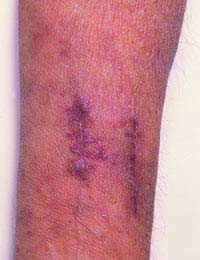
Other Skin Problems
Other Skin Problems: All About Lichen Planus, Preventing Fungal Skin...
Psoriasis
Psoriasis: Psoriasis in the Scalp, Natural Remedies and Products for Psoriasis,...
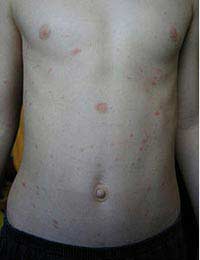
Rosacea & Other Rashes
Rosacea & Other Rashes: Treatment of Pityriasis Rosacea, Coping With and...
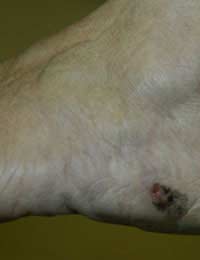
Skin Cancer
Skin Cancer: What Is Melanoma?, Basal and Squamous Cells, AKs and Other P...
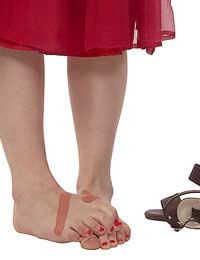
Sunburn & Blisters
Sunburn & Blisters: Keeping Blisters Clean, Sun Protection For Your Skin, Tanning and...

Warts & Verrucas
Warts & Verrucas: Dealing With Genital Warts, Do Warts Need to be Treated?, How Are...
Most Popular...
Add to my Yahoo!
Add to Google
Stumble this
Add to Twitter
Add To Facebook
RSS feed
You should seek independent professional advice before acting upon any information on the SkinHelp website. Please read our Disclaimer.